

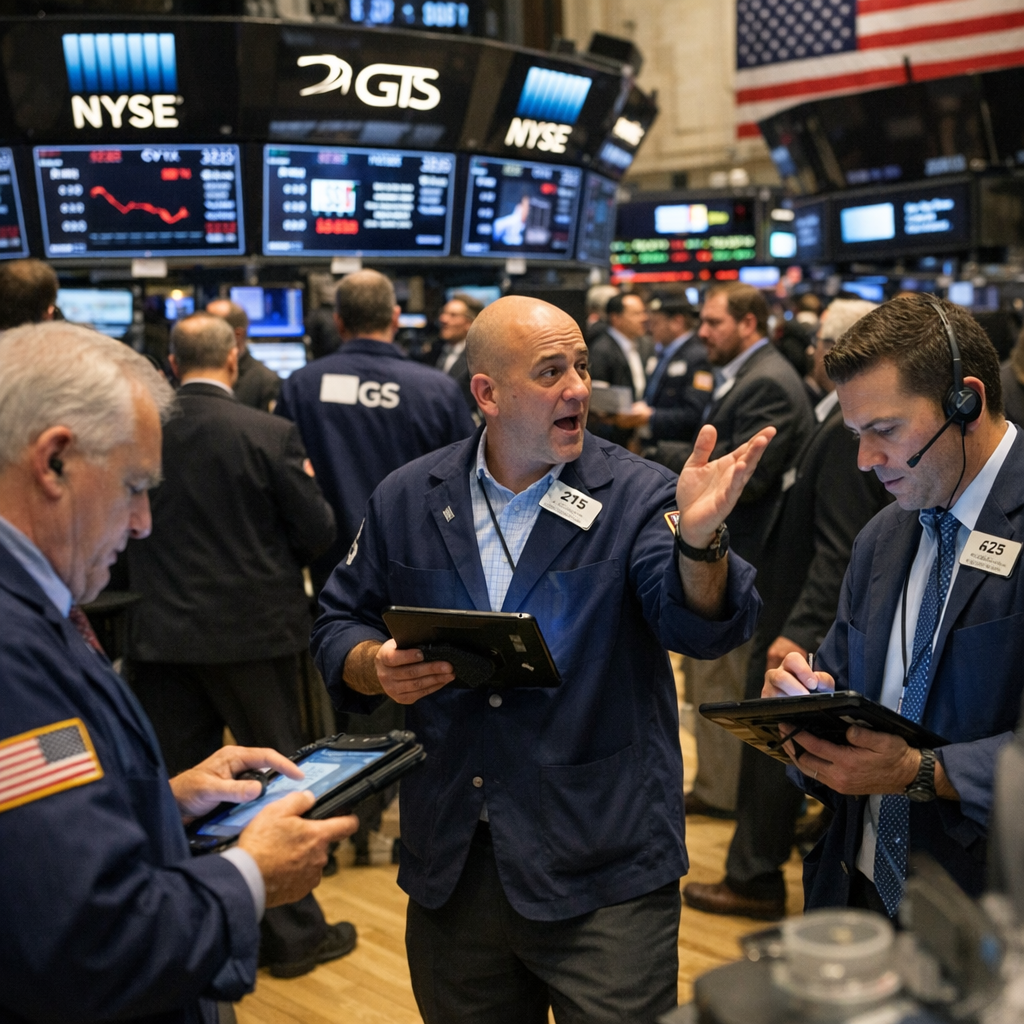
The United States economy has recently exhibited a mix of resilience and challenges, reflecting the complexities of the current economic environment.
GDP Growth and Economic Expansion
In the second quarter, the U.S. economy expanded at a 3% annual rate, rebounding from a first-quarter decline. This growth was influenced by a decrease in imports and modest consumer spending increases. However, underlying indicators suggest potential headwinds, with private investment experiencing a significant drop and federal government spending continuing to decline.
Inflation and Consumer Prices
Inflationary pressures have shown signs of easing. The Federal Reserve’s preferred inflation measure, the Personal Consumption Expenditures (PCE) price index, rose at an annual rate of 2.1% in the second quarter, down from 3.7% in the first quarter. Core PCE inflation, which excludes volatile food and energy prices, also decreased to 2.5% from 3.5% in the previous quarter.
Trade Policies and Tariffs
Trade policies continue to play a pivotal role in shaping the economic landscape. The U.S. Trade Representative has initiated a Section 301 investigation into Vietnam over concerns regarding intellectual property enforcement. This probe could lead to new tariffs on Vietnamese imports if issues remain unresolved. Additionally, President Donald Trump’s administration has been actively adjusting tariff strategies, aiming to balance economic growth with trade fairness.
Local Implications for Riverside Residents
For residents of Riverside, California, these national economic trends have tangible effects. The easing of inflation may provide some relief in terms of consumer prices, while shifts in trade policies could impact local industries connected to international markets. Staying informed about these developments is crucial for making informed personal and business decisions.
As the economic landscape continues to evolve, it remains essential to monitor these indicators and policies to understand their broader implications on both the national and local levels.