

Understanding Riverside’s Climate & Water Sources
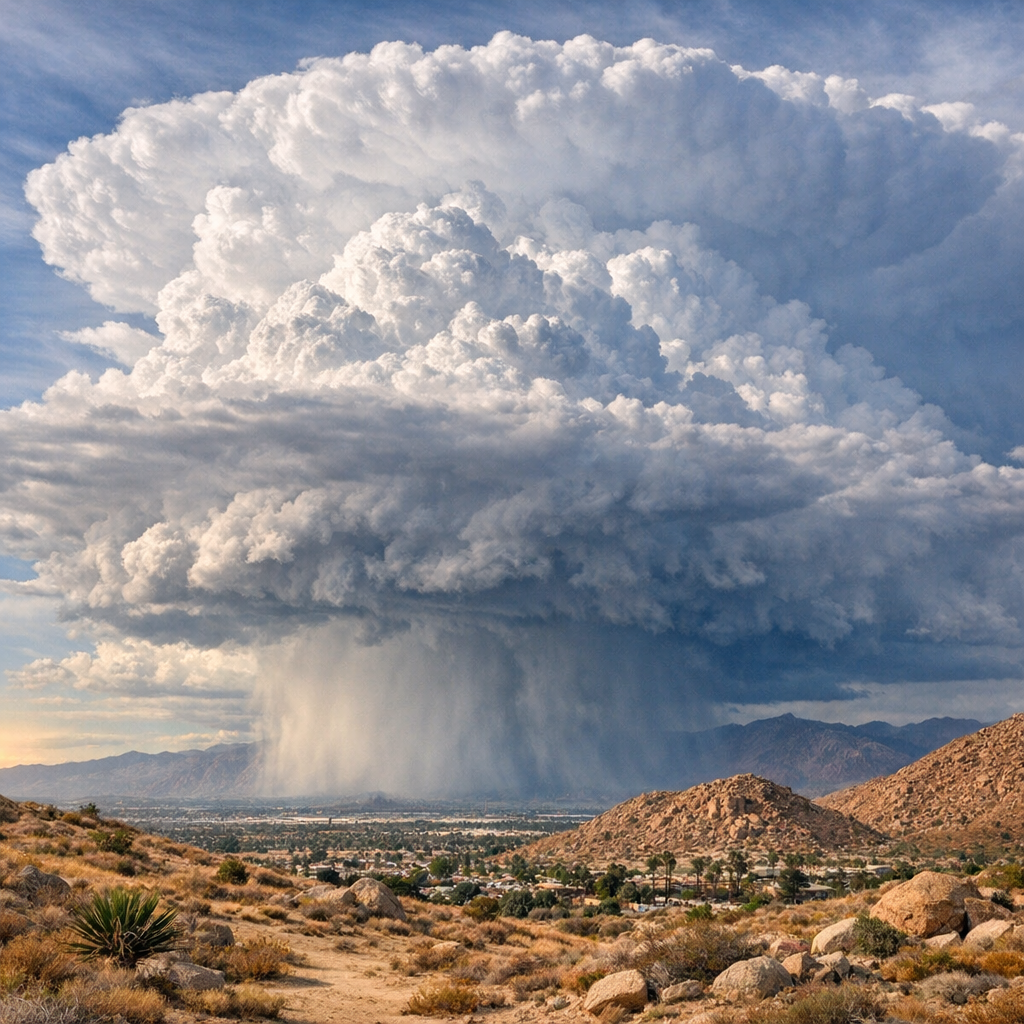
Riverside sits in a semi-arid climate zone, marked by long, hot, dry summers and mild winters with rain largely between November and April. Though rainfall averages historically around 15.7 inches per year in nearby San Bernardino County, recent years have trended drier—closer to 10-11 inches. Many rainstorms are intense but far apart, which matches a pattern emerging across the Inland Empire where dry spells stretch months but wet periods can come in strong bursts.
A good portion of our drinking water comes from groundwater basins—three major ones feed Riverside: Riverside, Rialto-Colton, and Bunker Hill. Rain and snow that fall in the surrounding foothills and mountains trickle down into these basins via natural percolation. Our local rivers and stormwater systems—including the Santa Ana watershed—also play a crucial role in keeping those basins replenished.
Environmental Challenges We Face
1. Drought & Water Supply Stress
Even though Riverside has steered clear of emergency declarations lately, droughts remain a recurring concern. Climate change is amplifying swings between dry and wet, and water basins take several wet years to fully recover. Reduced rainfall, compounded by hotter temperatures, accelerates evaporation from soil and vegetation. All of this puts added strain on groundwater supplies and heightens wildfire risk.
2. Managing Stormwater & Urban Runoff
When we do get rain, most of it falls quickly. Dense development, impervious surfaces like parking lots and rooftops, and minimal ground cover mean less water soaking in and more rushing off. That runoff picks up pollutants—oils, debris, metals—and flows into rivers and creeks, threatening water quality in the Santa Ana River and beyond. Stormwater infrastructure and local clean-water rules help, but real progress also depends on what happens on private properties.
What Can Riverside Residents Do?
- Conserve water all year: The City maintains rules against wasteful water use—no watering during or right after measurable rain, avoiding runoff, and choosing drought-friendly landscaping. Trees need special care—deep watering under drip lines, mulching, and prioritizing newly planted or young trees.
- Choose smart landscaping: Native or drought-tolerant plants help cut water needs, improve soil health, reduce erosion, and absorb more when rain does arrive.
- Manage stormwater at home: Rain barrels, permeable or gravel walkways, and avoiding letting oil or pesticides wash into gutters all help. Every trick helps when intense rain hits—you reduce flood risk and protect water bodies.
- Stay aware of quality and regulation: Riverside’s water meets federal and state safety standards, but reporting concerns—like discoloration, odors, or visible pollutants—helps officials track issues fast. Supporting projects like better stormwater capture and groundwater recharge matters.
Looking Ahead
Climate projections show that intense storms may become more frequent—and so may longer dry stretches. For Riverside, that means we’ll need to build resilience: smarter water infrastructure, stronger conservation norms, and policies that help nature stay balanced even as our population and development grow. It’s not just about adapting—it’s about staying ahead.
Our weather and environment aren’t static. The choices we make today—how we use water, how we build our city, how we care for our land—will determine whether Riverside stays lush, livable, and safe in the coming decades.