

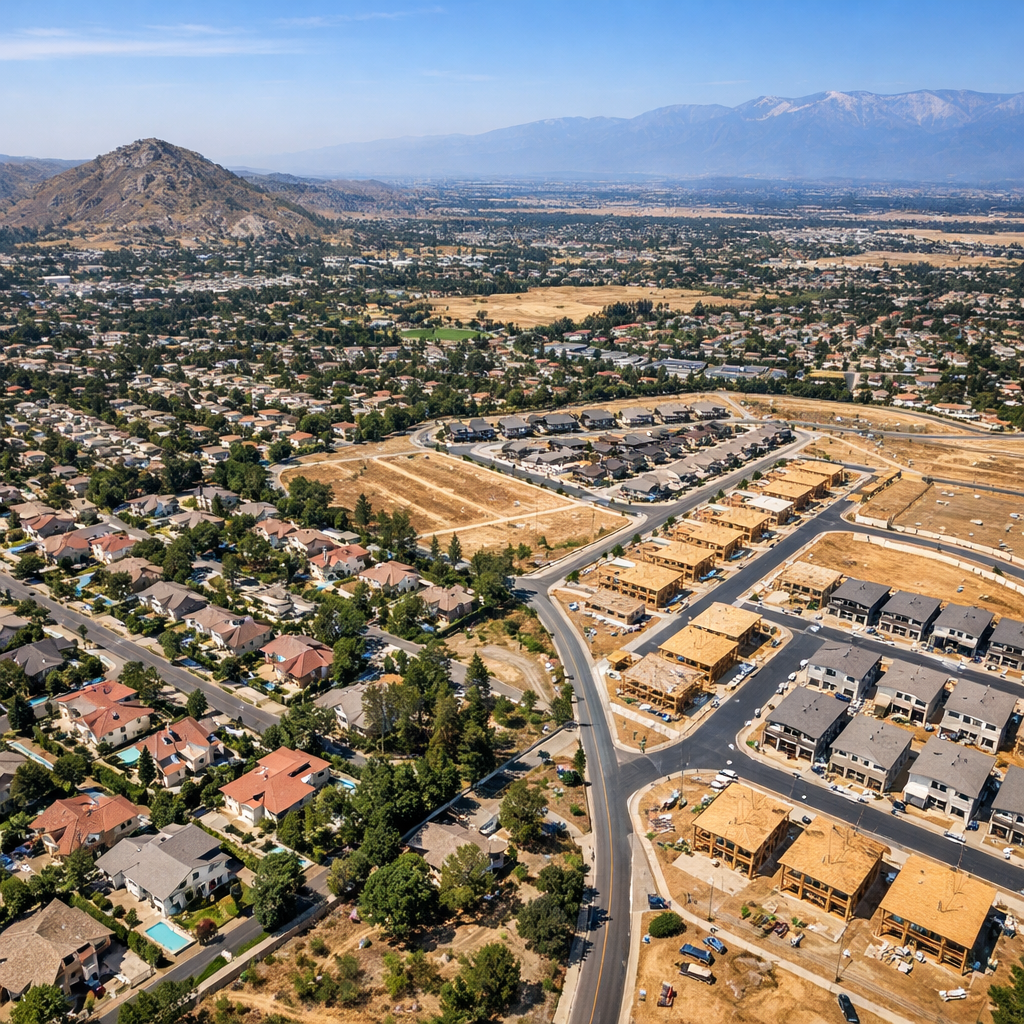
Riverside, California, continues to experience dynamic shifts in its housing market, reflecting broader regional trends and local developments. This article provides an overview of current market conditions, rental landscapes, and notable housing projects shaping the community.
Current Housing Market Trends
As of March 2026, Riverside’s housing market exhibits a blend of stability and subtle fluctuations. The median sale price for homes stands at $630,000, marking a slight decrease of 0.79% compared to the previous year. Homes typically remain on the market for approximately 49 days, indicating a steady demand among buyers. Notably, the number of homes sold in March increased to 161, up from 150 in the same month last year, suggesting a resilient market despite minor price adjustments.
Rental Market Overview
The rental sector in Riverside mirrors the stability observed in the sales market. The average rent is $2,335 per month, reflecting a modest year-over-year increase of 1.8%. This gradual rise indicates a balanced rental market, accommodating both tenants and landlords.
Affordable Housing Initiatives
Addressing the need for affordable housing, the Riverside Housing Development Corporation (RHDC) remains committed to enhancing housing opportunities throughout the Inland Empire. RHDC offers a variety of programs, including single-family home ownership opportunities and multi-family rental properties in Riverside, Moreno Valley, and Hemet.
Notable Housing Developments
Several significant housing projects are underway in Riverside, contributing to the city’s growth and diversity. One such development is Collett Crossings, a community offering 34 single-family homes in the La Sierra neighborhood. This project includes a mix of one-story and two-story homes, with amenities such as playgrounds, walking trails, and barbecue stations, catering to a range of family sizes and preferences.
Another noteworthy project is the March Veterans Village, a 96,000-square-foot supportive housing development dedicated to providing permanent housing for veterans and their families. This LEED Gold-certified community features 138 units across two buildings, along with a community center, café, and various recreational facilities, emphasizing Riverside’s commitment to supporting its veteran population.
Conclusion
Riverside’s housing market reflects a community in transition, balancing growth with affordability and inclusivity. The slight adjustments in home prices and rental rates, coupled with ongoing development projects, indicate a proactive approach to meeting the diverse needs of residents. As the city continues to evolve, staying informed about these trends will be essential for prospective homebuyers, renters, and community stakeholders.